
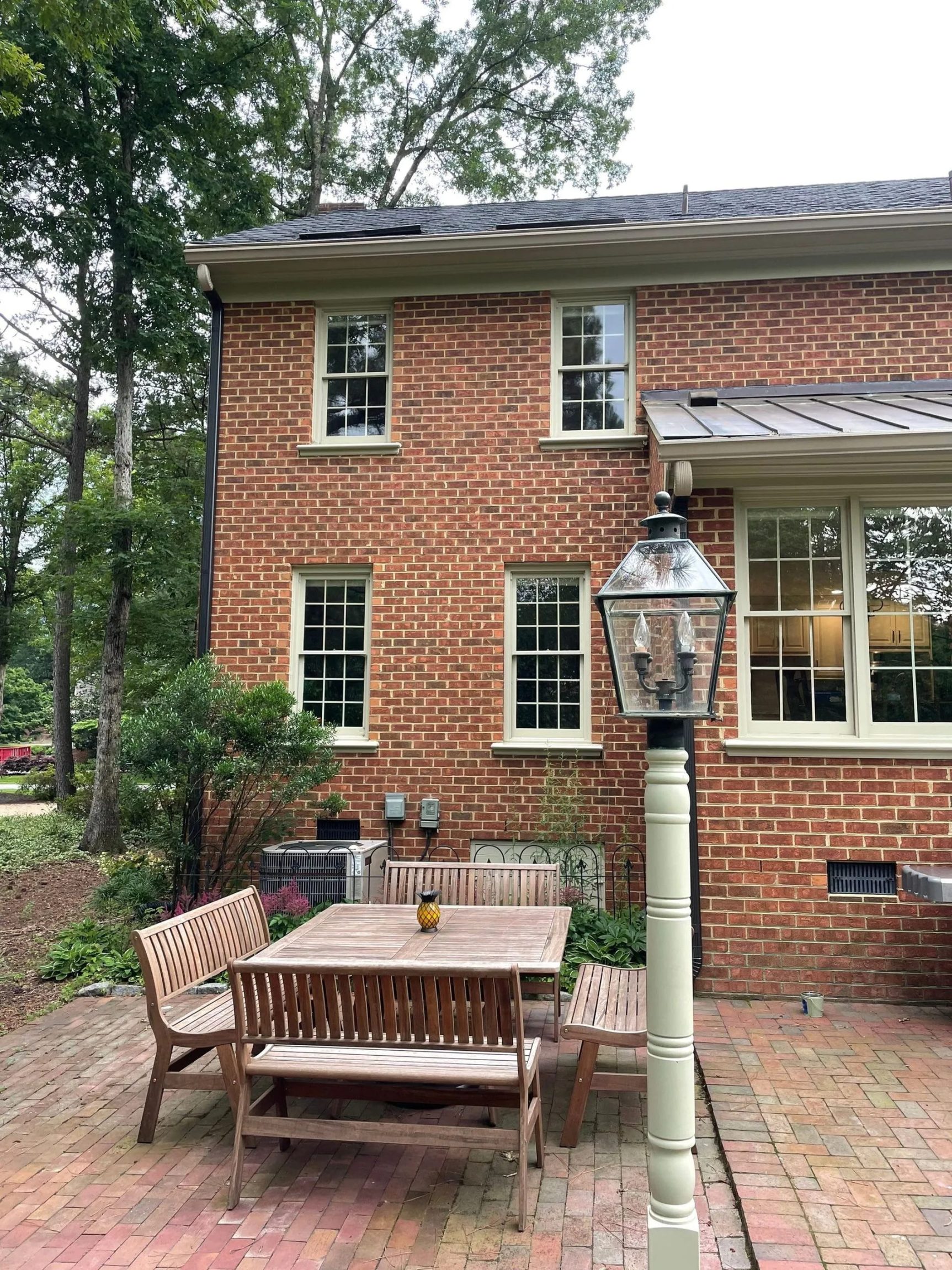
What It Costs to Renovate a Historic Richmond Home
Richmond’s historic neighborhoods hold onto a kind of character new construction can’t replicate. Like heart pine floors, original brick, and deep porches built before air conditioning made them optional. However, that character comes with a different cost structure than a standard remodel, and it’s rarely the finishes that surprise homeowners…. it’s what’s behind the walls.
Before you get a contractor’s quote on a residential construction renovation in one of Richmond’s historic districts, such as Fan District, Jackson Ward, or Church Hill, it’s best to go in with an idea of what influences the budget most, based on national baseline data adjusted for historic construction complexities.
Six Line Items That Influence Renovation Costs
These are the major factors that will influence the renovation cost for a historic home in Richmond, VA.
- Wiring Condition: Knob-and-tube versus updated circuits.
- Plumbing Material: Galvanized steel versus copper or PEX.
- Foundation & Masonry: Brick pier or stone foundations and whether settling or water infiltration has occurred.
- Window Restorations: Repairing historic wood windows versus approved replacement options under local guidelines.
- Design Review Compliance: Working within Commission of Architectural Review (CAR) requirements for exterior materials.
- Custom Millwork Matching: Crafting custom trim, lap siding, or heart pine flooring to match original profiles.
What Knob-and-Tube Wiring Adds to the Budget
Homes built before 1950 in Richmond’s older neighborhoods often carry original or partially abandoned knob-and-tube wiring. Homeowners insurance carriers frequently flag this system, and lenders generally require it to be replaced prior to closing.
- National Baseline: Replacing knob-and-tube runs $12,000 to $36,600 (or roughly $10 to $20 per square foot) according to national cost data from Angi.
- The Historic Richmond Reality: In a Fan District rowhouse or Church Hill Victorian, plaster-and-lath walls, solid brick exterior walls, and lack of wall cavities mean electricians cannot easily fish wire through walls. Pushing circuits through multiple stories of plaster usually drives total electrical and plaster-repair costs toward the higher end of that range or beyond.
The Plumbing Problem Hiding Behind the Wiring Problem
Galvanized steel pipes were standard in Richmond homes built through the 1950s. Over decades, galvanized steel corrodes from the inside out, restricting water pressure long before pinhole leaks appear.
- Whole-Home Repiping: Typically ranges from $4,000 to $15,000 for standard homes depending on the material (PEX vs. copper) and pipe access. Older homes built before 1970 can push those costs to $6,000 to $18,000.
- Historic Factor: In multi-story brick homes, supply and stack lines are often encased inside plaster chases or tight service cavities. Opening and restoring historical plaster or wainscoting to replace stack lines adds significant drywall or masonry remediation labor to standard plumbing quotes.
Windows: Where Restoration Costs More Than Replacement, on Purpose
In Richmond’s 16 City Old and Historic Districts, vinyl replacement windows are strictly prohibited on street-facing elevations.
Rather than swapping units out, CAR guidelines prioritize repairing original wood sash windows, re-roping counterweights, installing weatherstripping, and adding subtle exterior storm windows.
- Cost Difference: While standard vinyl insert replacements can run $500 to 1,000 per window, custom historic wood window restoration or wood-clad CAR-approved replacements routinely run $1,200 to $2,500+ per opening due to the skilled labor involved.
What a Full Renovation Runs, Once Everything Is Added Up
A mid-scope renovation on a 1,250 to 1,600-square-foot home runs typically $19,500 to $88,400 nationally, according to This Old House‘s renovation cost research. That is before factoring in the systems work above. Homes requiring period-appropriate materials or specialty tradespeople, which describes most Fan District and Church Hill projects, tend to sit at the upper end of that range or above it.
Offsetting Renovation Costs: State Tax Credits & City Abatements
While the numbers add up quickly, major historic home renovations often qualify for significant financial offsets if planned in advance:
- Virginia State Historic Tax Credit: Homeowners can receive a 25% state tax credit on eligible rehabilitation expenses for certified historic homes, provided the project expenses equal at least 25% of the home’s pre-renovation assessed value. (There also exists a similar 20% federal historic credit, but that only applies to income-producing commercial or rental properties, not owner-occupied residences.)
- City of Richmond Real Estate Tax Abatement: Qualifying major rehabilitations on older homes can freeze or reduce the property tax increase resulting from the renovation for up to 7 to 10 years.
Both programs require pre-approval and inspections before demolition or construction begins, so be sure to factor them into your initial budget planning.
Where to Start with Historic Renovations in Richmond, VA?
Every historic home carries its own unique combination of these six cost drivers. Before finalizing budget numbers, signing contracts, or pulling permits, schedule an initial walkthrough with a team that specializes specifically in residential renovations in Richmond historic districts.
If you are planning a renovation in The Fan, Church Hill, or any of Richmond’s historic neighborhoods, reach out to CB Chandler to discuss your residential construction project, evaluate what is behind the walls, and map out an accurate budget before work begins.